Certified PRA Testing Laboratories: A Comprehensive Guide
How to select a testing laboratory, what to expect from the testing process, and ensuring accurate results for your breeding program.
The breeder's frustration was palpable. She had tested her Labrador Retriever for PRA through an online service offering bargain-priced genetic panels. When one of her puppies developed clinical signs of progressive blindness at age four, she assumed the test had been wrong. Closer examination revealed a more nuanced problem: the test had correctly identified the dog as clear for the rcd1 variant, which does not occur in Labrador Retrievers. The PRCD test her breed actually needed had never been performed.
Selecting an appropriate testing laboratory involves more than finding the lowest price. Breeders must ensure they receive the correct tests for their breed, performed by laboratories with validated methods and reliable quality control. This guide helps navigate the testing landscape to ensure results you can trust.
What Makes a Laboratory Reliable
Not all genetic testing laboratories operate to the same standards. When evaluating options, consider these factors:
Accreditation and Quality Standards
Reputable laboratories maintain quality management systems and may hold accreditation from relevant bodies. While no single certification guarantees quality, laboratories that invest in quality systems demonstrate commitment to accurate results.
- Published validation studies for offered tests
- Participation in proficiency testing programs
- Clear documentation of methods used
- Transparent reporting of test limitations
- Available technical support for result interpretation
Breed-Specific Test Availability
The most important consideration is whether a laboratory offers the correct tests for your breed. Different breeds require different PRA tests. A laboratory offering only rcd1 testing cannot serve Labrador Retriever breeders who need PRCD testing.
Quality laboratories clearly indicate which breeds and variants each test covers. They may offer breed-specific panels that bundle relevant tests together. Before ordering, verify that the panel includes all known variants for your breed.
Research Connections
Laboratories connected to university research programs often have access to newly developed tests before commercial release. They may also offer testing for rare variants not available through commercial-only laboratories. For breeds with incompletely characterized PRA, such as some herding breeds, research-affiliated laboratories may provide the most comprehensive options.
Major Testing Laboratories
Several laboratories have established reputations for canine genetic testing. This list is not exhaustive, and inclusion does not constitute endorsement, but these organizations are widely used in the breeding community:
| Laboratory | Location | Strengths |
|---|---|---|
| OptiGen | USA (Cornell affiliated) | Pioneering PRA test development, comprehensive eye disease panel |
| Animal Genetics | USA/UK | Broad test menu, international service |
| Embark | USA (Cornell affiliated) | Comprehensive breed health panels, ancestry testing |
| Wisdom Panel | USA | Wide availability, breed identification plus health |
| Laboklin | Germany | European service, extensive test menu |
| Animal Health Trust (legacy) | UK | Historical test development, services continued by partners |
| UC Davis VGL | USA | Research university lab, ongoing test development |
Laboratory offerings change over time. Always verify current test availability directly with the laboratory before ordering. Prices, turnaround times, and available variants may differ from published information.
The Testing Process
Understanding what happens with your sample helps interpret results and troubleshoot any issues:
Sample Collection
Most laboratories accept cheek swabs, which owners can collect at home. Some also accept blood samples collected by veterinarians. Proper collection technique matters, as poor samples can lead to testing failures.
For cheek swabs, the dog should not eat for at least one hour before collection. The swab should firmly contact the inside of the cheek to collect adequate cells. Multiple swabs are typically required. Follow laboratory-specific instructions precisely.
DNA Extraction and Analysis
Laboratories extract DNA from submitted samples and analyze specific gene regions for known mutations. Different technologies may be used depending on the variant being tested. Results typically require one to four weeks depending on the laboratory and test complexity.
Result Reporting
Results should clearly indicate the variant tested, the methodology used, and the interpretation. Standard reporting includes:
- Clear/Normal (N/N): No copies of the mutation detected
- Carrier (N/M or N/+): One copy of the mutation detected
- Affected (M/M or +/+): Two copies of the mutation detected
Some laboratories use different notation systems. Ensure you understand the specific terminology used in your results. When in doubt, contact the laboratory for clarification.
Interpreting Results for Breeding
Test results inform breeding decisions but require interpretation in context. A single test result does not capture a dog's complete genetic profile.
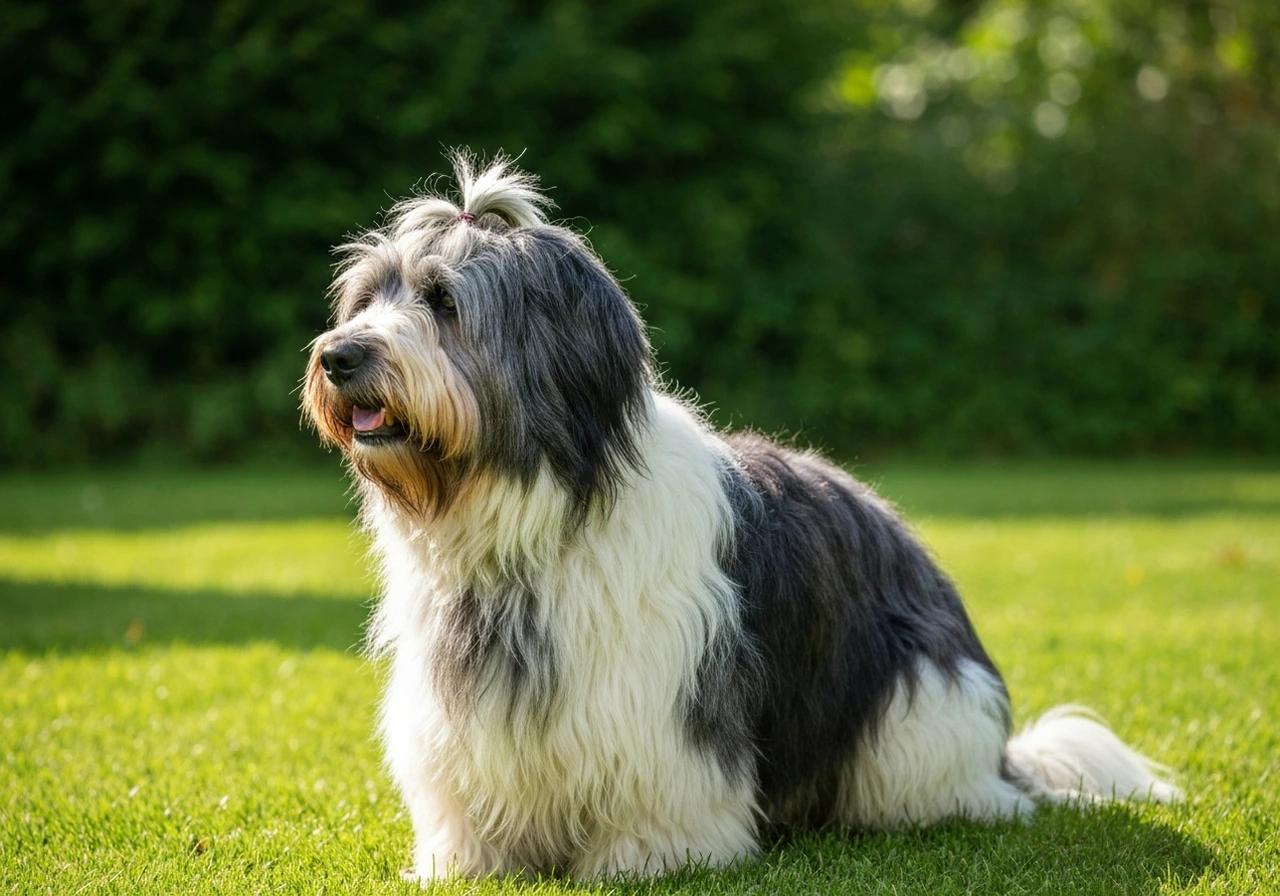
For breeds with multiple PRA variants, results for each variant must be considered independently. A Golden Retriever testing clear for PRCD but carrier for GR-PRA1 requires different mate selection than one testing clear for all variants.
Results only address tested variants. A dog clear for known variants might still carry an uncharacterized mutation. Clinical eye examinations complement genetic testing by detecting PRA forms without available DNA tests.
Common Testing Mistakes to Avoid
Years of consulting with breeders have revealed common errors in testing programs:
Testing for Wrong Variants
The most serious error is testing for variants that do not occur in your breed. This provides false reassurance while leaving actual risk unaddressed. Always verify that ordered tests match your breed's documented variants.
Incomplete Panel Testing
Some breeds face multiple PRA variants. Testing for only one provides incomplete information. Golden Retrievers need three PRA tests; Papillons need two. Comprehensive panels are essential for these breeds. The prcd variant alone affects over 29 breeds.
Relying on Ancestry Tests Alone
Some ancestry-focused services include limited health screening. These panels may not include all PRA variants relevant to your breed. Review specific test coverage rather than assuming comprehensive health screening is included.
Assuming Parental Status Extends to Offspring
Testing parents allows prediction of offspring status based on inheritance mathematics. However, predictions are probabilities, not certainties for individual puppies. When carrier status matters (such as for breeding placements), testing individual puppies provides definitive answers.
Cost Considerations
Testing costs vary considerably between laboratories and tests. Factors affecting price include:
- Single test vs. panel pricing
- Turnaround time (rush service costs more)
- Volume discounts for breeders
- Breed club negotiated rates
While cost matters, it should not be the primary selection criterion. An inexpensive test that does not cover your breed's variants wastes money regardless of price. Similarly, failing to test because of cost and then producing affected puppies creates far greater expense, financial and emotional.
Many breed clubs negotiate discounted testing rates for members. Check with your breed club health committee for available programs.
Documentation and Record Keeping
Maintain complete records of all testing:

- Original laboratory reports with sample identification
- Correspondence regarding results or interpretation
- Registration numbers linking results to specific dogs
- Dates of testing and any re-testing
Many laboratories report results directly to breed registries or health databases. Verify that your results have been properly recorded. These databases enable prospective mate selection based on published results throughout the breed.
When Results Seem Wrong
Occasionally, results conflict with clinical observations or pedigree expectations. If a dog tests clear but develops clinical PRA, several possibilities exist:
- The dog carries an uncharacterized variant not covered by testing
- Sample mix-up occurred (rare but possible)
- The clinical diagnosis may be something other than PRA
Contact the laboratory to discuss unexpected results. Re-testing may be warranted. Clinical examination by a board-certified veterinary ophthalmologist can help distinguish PRA from other conditions with similar presentations.
Responsible laboratories will work with you to resolve discrepancies. Their interest in accurate results aligns with yours.
Supporting Continued Research
Testing laboratories connected to research programs often request permission to use samples for ongoing research. Contributing to research helps identify new variants, improve tests, and develop treatments. Consider supporting these efforts when given the opportunity.
The tests available today exist because breeders contributed samples to research in the past. Continuing this partnership ensures that future generations benefit from continued discovery. The Herding Gene resource provides additional information on genetic testing resources for working and herding breeds.
Dr. Amanda Foster, Veterinary Ophthalmologist