The Critical Importance of Genetic Testing for PRA
Why every breeding dog should be tested for Progressive Retinal Atrophy, and the consequences when testing is neglected.
The Labrador puppy arrived for her first ophthalmologic examination at sixteen weeks old. Her new owner, a veterinarian herself, had noticed subtle signs that concerned her: slight hesitation on stairs, occasional bumping into furniture in dim lighting. The examination confirmed what she feared. This puppy, purchased from a breeder advertising "health-tested parents," was affected with prcd-PRA. She would be blind before her fifth birthday.
When we contacted the breeder, the response was defensive. Both parents had been "eye checked" annually. Both had passed. What the breeder did not understand, and what this article aims to make clear, is that clinical eye examinations cannot detect carriers. Only DNA testing reveals carrier status before breeding. This fundamental misunderstanding results in preventable blindness in thousands of dogs annually.
The Difference Between Clinical Screening and DNA Testing
Two types of eye health assessment exist for dogs, and understanding their distinct purposes is essential:
Clinical Eye Examinations
- Performed by veterinary ophthalmologists
- Detects current eye abnormalities
- Cannot identify carriers
- May miss early-stage disease
- Results valid for one year only
- Catches PRA after clinical signs develop
DNA Testing
- Laboratory analysis of genetic material
- Identifies affected, carrier, and clear dogs
- Results permanent and definitive
- Detects status before any symptoms
- Enables prevention of affected offspring
- Specific to particular gene mutations
Both tools have value, but they serve different purposes. Clinical examinations detect current disease. DNA testing predicts genetic status regardless of current symptoms. For PRA prevention, DNA testing is irreplaceable.
The Silent Carrier Problem
PRA follows autosomal recessive inheritance. This means a dog must inherit two copies of the mutation, one from each parent, to develop the disease. Dogs with one copy are carriers: they will never develop PRA themselves but can pass the mutation to their offspring.
Carrier (N/M) x Carrier (N/M) = 25% Affected (M/M) + 50% Carrier (N/M) + 25% Clear (N/N)
Without testing, two carriers appear completely normal. Their breeding produces affected puppies. This is why carrier identification through DNA testing is essential.
Carriers show no clinical signs. Their eyes examine normally. They pass every clinical screening test. Only DNA testing reveals their status. When two carriers breed, 25% of puppies will be affected, destined for blindness regardless of any subsequent intervention.
The Cost of Not Testing
What happens when breeders skip DNA testing? The consequences ripple outward in expanding circles:
For Individual Dogs
Affected dogs face progressive vision loss culminating in complete blindness. While dogs can adapt to blindness with proper support, the condition is nonetheless a significant disability that limits activities and requires lifelong management.
For Families
Families who purchased puppies expecting healthy companions face unexpected veterinary costs, emotional distress, and difficult decisions about management. The emotional toll of receiving a PRA diagnosis can be profound, particularly when the family feels it could have been prevented. Many feel betrayed by breeders who assured them parents were "health tested" without specifying what that meant.
For Breeders
Breeders who produce affected puppies damage their reputations, face potential legal liability, and must confront the ethical implications of their decisions. The cost of managing complaints and potentially refunding puppy prices far exceeds the cost of testing.
For Breeds
Untested breeding perpetuates and potentially increases mutation frequency in breed populations. What could be managed effectively becomes an escalating problem requiring more aggressive intervention to address.
The Cost of Testing
DNA testing costs vary by laboratory and test complexity, but typical PRA tests range from $50-150 per dog. Comprehensive breed panels covering multiple conditions may cost $150-300. These are one-time costs; results remain valid for the dog's lifetime.
| Cost Comparison | Amount |
|---|---|
| PRA DNA test | $50-150 once |
| Comprehensive breed panel | $150-300 once |
| Annual clinical eye exam | $50-100 yearly |
| Puppy sale price (typical) | $1,500-3,000+ |
| Lifetime management of affected dog | Variable, significant |
The disparity is striking. Testing costs represent a tiny fraction of puppy sale prices. No breeder can credibly claim testing is unaffordable while charging thousands for puppies. Testing should be considered a basic cost of responsible breeding, not an optional enhancement.
What Proper Testing Looks Like
A comprehensive PRA testing program includes:
- Identify breed-specific variants: Determine which PRA mutations affect your breed. Different breeds require different tests.
- Select appropriate laboratory: Choose a reputable testing laboratory that offers validated tests for your breed's variants.
- Test all breeding stock: Every dog intended for breeding should be tested before their first mating. No exceptions.
- Interpret results correctly: Understand what results mean for breeding decisions. Clear dogs can breed freely; carriers can only breed to clear mates.
- Document and share: Record results in breed health databases. Transparency enables informed decisions throughout the breed community.
- Maintain clinical screening: DNA testing complements but does not replace annual clinical eye examinations, which can detect uncharacterized variants.
Common Excuses and Why They Fail
Having consulted with breeders for decades, I have heard every excuse for not testing. None withstand scrutiny:
Past luck does not predict future outcomes. Two carriers have only a 25% chance of producing affected puppies per breeding. A carrier line might produce several litters before an affected puppy appears, each litter adding more carriers to the population.
Carriers pass clinical examinations because they never develop the disease. Clinical screening cannot identify carriers. Only DNA testing can.
Rare does not mean absent. And carrier frequency is always higher than affected frequency in recessive conditions. A breed with 1% affected dogs might have 18% carriers. Testing remains essential.
Testing costs less than one puppy sale price. Any breeder charging hundreds or thousands for puppies can afford testing. This excuse reveals misplaced priorities, not genuine financial constraints.
The Ethical Dimension
Beyond practical considerations, testing carries ethical weight. Breeders assume responsibility for the lives they create. Knowingly or negligently producing dogs destined for blindness, when prevention is straightforward and affordable, represents a failure of that responsibility. For a deeper exploration of how ethical principles should guide breeding decisions around carriers, population genetics provides a nuanced framework that balances disease prevention with genetic diversity.

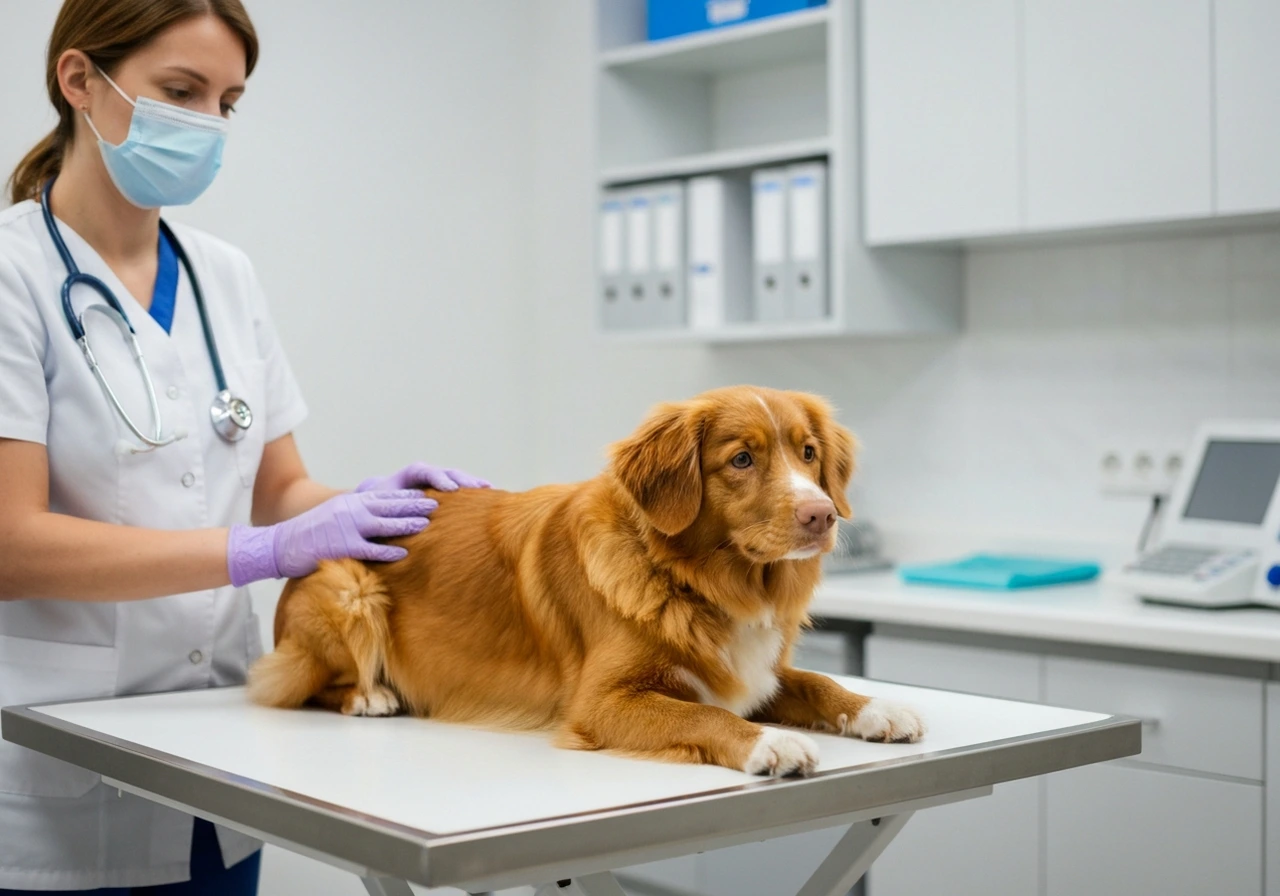
Puppy buyers trust breeders to make informed decisions about breeding. They reasonably expect that "health-tested" means comprehensive screening, including DNA testing for known genetic conditions. Breeders who claim health testing while omitting DNA analysis betray that trust.
The dogs themselves have no voice in these decisions. They cannot consent to or refuse the genetic hand they are dealt. Breeders speak for them by choosing which matings to make. Responsible testing ensures those choices do not condemn dogs to preventable suffering.
Progress Through Testing
Breeds that have embraced comprehensive DNA testing demonstrate what becomes possible. Irish Setters reduced rcd1 carrier frequency from over 30% to near zero through systematic testing and strategic breeding over two decades. Similar progress is underway in many other breeds. The prcd mutation affecting 29+ breeds demonstrates how widespread systematic testing must be.
This progress requires collective action. Individual breeders who test protect their own programs. But breed-wide improvement requires testing to become a cultural norm, expected and celebrated rather than optional and overlooked.
Breed clubs play a crucial role by establishing testing requirements, maintaining health databases, and educating members. Puppy buyers contribute by demanding test results before purchase and refusing to support breeders who do not test. Veterinarians help by recommending testing and explaining its importance.
Conclusion: Testing as Non-Negotiable Standard
The Labrador puppy from my opening story did not need to go blind. Her affected status was predictable and preventable. Both her parents were carriers, a fact that simple DNA testing would have revealed. Instead, she will spend most of her life in darkness, her owner will manage an avoidable disability, and the breeder's reputation will carry a permanent stain.
DNA testing for PRA is not complicated. It is not expensive. It is not inaccessible. It is simply necessary. Any breeder who omits it chooses convenience over the welfare of the dogs they produce.
For those seeking puppies, ask for DNA test results, not just clinical eye exam certificates. Understand the difference. Insist on documentation. Support breeders who test comprehensively.
For breeders, make testing a non-negotiable standard. Test every breeding dog. Share results openly. Partner with others in your breed who share this commitment. Together, PRA becomes a footnote rather than an ongoing tragedy. The Herding Gene resource provides additional context on genetic testing importance across breeds.
Dr. Amanda Foster, Veterinary Ophthalmologist