Early Puppy Screening for PRA: When to Test, What to Test, and How to Communicate Results to Buyers
Screening puppies for PRA before placement provides crucial health information for buyers and demonstrates responsible breeding practice. Understanding the optimal timing, testing options, and how to communicate results effectively.
The conversation I dread most is with a puppy buyer eighteen months after placement. Their dog has been diagnosed with PRA, they have bonded deeply with the animal, and they feel — understandably — that information they should have had before purchase was not available to them. In most cases, the information was available. The breeder simply had not sought it.
DNA testing for PRA can be performed at any age, including on puppies before weaning. For breeders who test parental breeding stock appropriately, puppy testing is often not necessary — the offspring's status can be predicted from parental results. But in programs introducing new breeding animals, testing purchased dogs of unknown history, or providing buyers with individual documentation for their puppy, early screening offers significant value.
The Case for Testing Before Parental Testing Is Sufficient
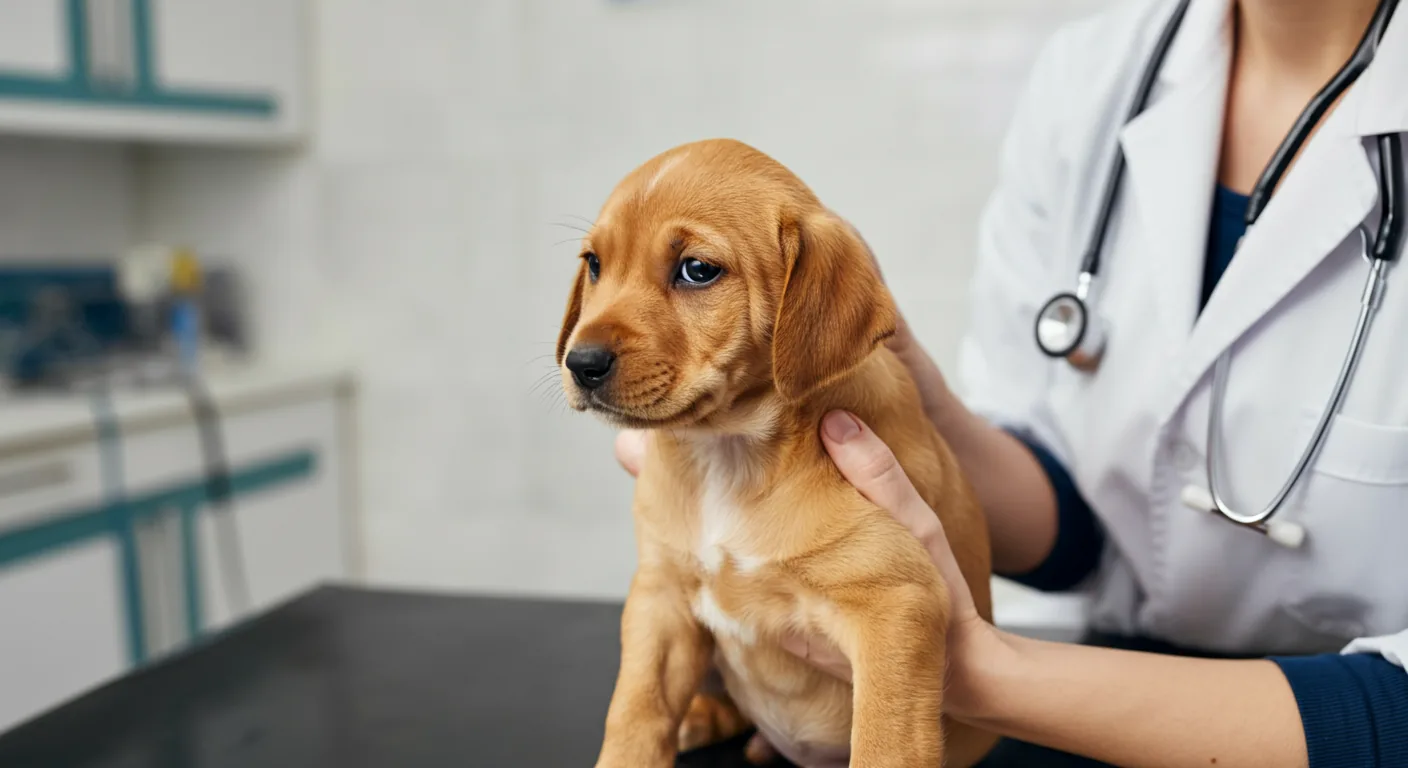
When both breeding parents have been tested and results are clear, no puppy in the litter will be affected for that specific PRA variant. This parental testing strategy is the most efficient approach and entirely appropriate for most breeding programs. Puppy-level testing becomes important in these situations:
- One parent is a carrier: 50% of puppies will be carriers. Buyers may want to know their puppy's individual status, particularly if they plan to breed.
- New parent not yet tested: If a breeding animal was used before testing was completed, puppy testing provides direct information where parental data is incomplete.
- Imported or rescue breeding stock: Parents of uncertain genetic background warrant individual puppy testing if litter status cannot be predicted.
- Premium breeding programs: Some high-health breeders test every puppy individually and provide certificates to buyers as a quality marker.
When Can Puppies Be Tested?
DNA-based PRA testing can be performed from birth. Cheek swab samples can be collected from puppies as young as one to two weeks of age, after which the oral mucosa is sufficiently developed to yield quality cells. Blood samples are an alternative but are rarely necessary in young puppies.
Practically, most breeders who test individual puppies do so between three and six weeks of age — after the swab collection is comfortable for the puppy and well before placement age. Results are typically returned within one to three weeks from accredited laboratories, fitting comfortably within the standard eight-week placement timeline.
Clinical ophthalmoscopic examination in puppies is less useful for PRA screening than DNA testing, since structural retinal changes do not appear until the disease has progressed significantly. Even in early-onset forms like rcd1 in Irish Setters, detectable ophthalmoscopic changes may not be visible in the weeks immediately after birth. DNA testing is unambiguously the superior tool for early puppy assessment.
Interpreting Results in Litters from Carrier Parents
When one parent is a known carrier and the other is clear, litter testing will identify:
Clear Puppies (50% expected)
No mutation copies. Will not develop PRA from this variant and cannot pass it to offspring. Ideal for breeding programs or buyers who plan to breed.
Carrier Puppies (50% expected)
One mutation copy. Will not develop PRA themselves. Can be excellent pets and acceptable breeding dogs when mated to a clear partner. Requires disclosure to buyers planning to breed.
No affected puppies are expected from clear-to-carrier matings, which is precisely the assurance this mating structure is designed to provide. However, testing individual puppies allows buyers to know exactly which category their specific dog falls into.
Communicating Results to Puppy Buyers
Transparency in health testing communication builds trust and protects both breeders and buyers. When providing PRA test results to buyers, include the following:
- Original laboratory certificate: Provide the actual laboratory-issued document, not a summary or breeder-created certificate. Buyers should be able to verify results independently.
- Explanation of terms: Not all buyers understand what "carrier" means. Provide a plain-language explanation: "Carrier means your puppy carries one copy of the mutation but will never develop PRA. If you plan to breed, always test your breeding partner first and use only a clear partner."
- Parental testing records: Include both parental test certificates alongside puppy results for complete documentation.
- Breed context: Explain which PRA mutations are relevant to your breed and why you test for them. This educates buyers about the condition and demonstrates the thoroughness of your program.
Golden Retrievers require testing for three separate PRA mutations. A puppy certified clear for PRCD may still carry GR-PRA1 or GR-PRA2. When testing litters, ensure the test panel covers all relevant mutations for the breed. Our guide to breed-specific genetic testing lists required tests by breed.
Early-Onset PRA Forms and Puppy Ophthalmoscopy
For breeds affected by early-onset PRA forms — particularly rcd1 in Irish Setters and rcd3 in Welsh Corgis — ophthalmoscopic changes may appear within the first few months of life. These forms are distinct from the more common late-onset prcd-PRA and should be detectable by standard eye examination as described in our overview of ophthalmoscopic examination for PRA.
For early-onset forms, DNA testing remains the gold standard because it can detect affected puppies even before functional changes become measurable. The rcd1 and rcd3 mutations are well-characterized, and molecular tests are available. Breeders of affected breeds who rely solely on clinical examination risk missing genetic status in the critical pre-placement period.
The Puppy Buyer's Perspective
From the buyer's standpoint, receiving comprehensive health documentation including PRA testing dramatically changes the puppy purchase experience. When I counsel puppy buyers about choosing a responsible breeder, PRA testing records are near the top of my checklist — right alongside hip and elbow evaluations for large breeds, cardiac clearances for susceptible breeds, and neurological assessments where relevant.
Buyers who plan to breed their puppy absolutely must know the dog's PRA status. A carrier dog is entirely acceptable for breeding — but must only be mated with a clear partner, and the buyer needs to know they have a carrier to make that informed decision. Selling a carrier as if it were clear, even without explicit misrepresentation, creates a situation where uninformed buyers may inadvertently produce affected offspring.
For buyers who have already purchased a puppy from a breeder without PRA testing, post-purchase DNA testing is entirely feasible. Understanding the specific PRA variants relevant to different breeds helps identify which test to order. For dogs showing early night blindness or other concerning signs, a veterinary ophthalmology consultation with electroretinography can provide functional assessment even before DNA results are available.
PRA is preventable. Puppy screening is one of the tools that makes prevention possible at the point of entry into a new home — where the information will matter most for the dog's long-term welfare and the buyer's ability to make informed decisions.
Dr. Amanda Foster, Veterinary Ophthalmologist