PRA and Secondary Cataracts: When Retinal Degeneration Triggers Lens Changes
Why many PRA-affected dogs develop cataracts as a secondary complication, how the two conditions interact, and what this means for diagnosis, treatment decisions, and quality of life.
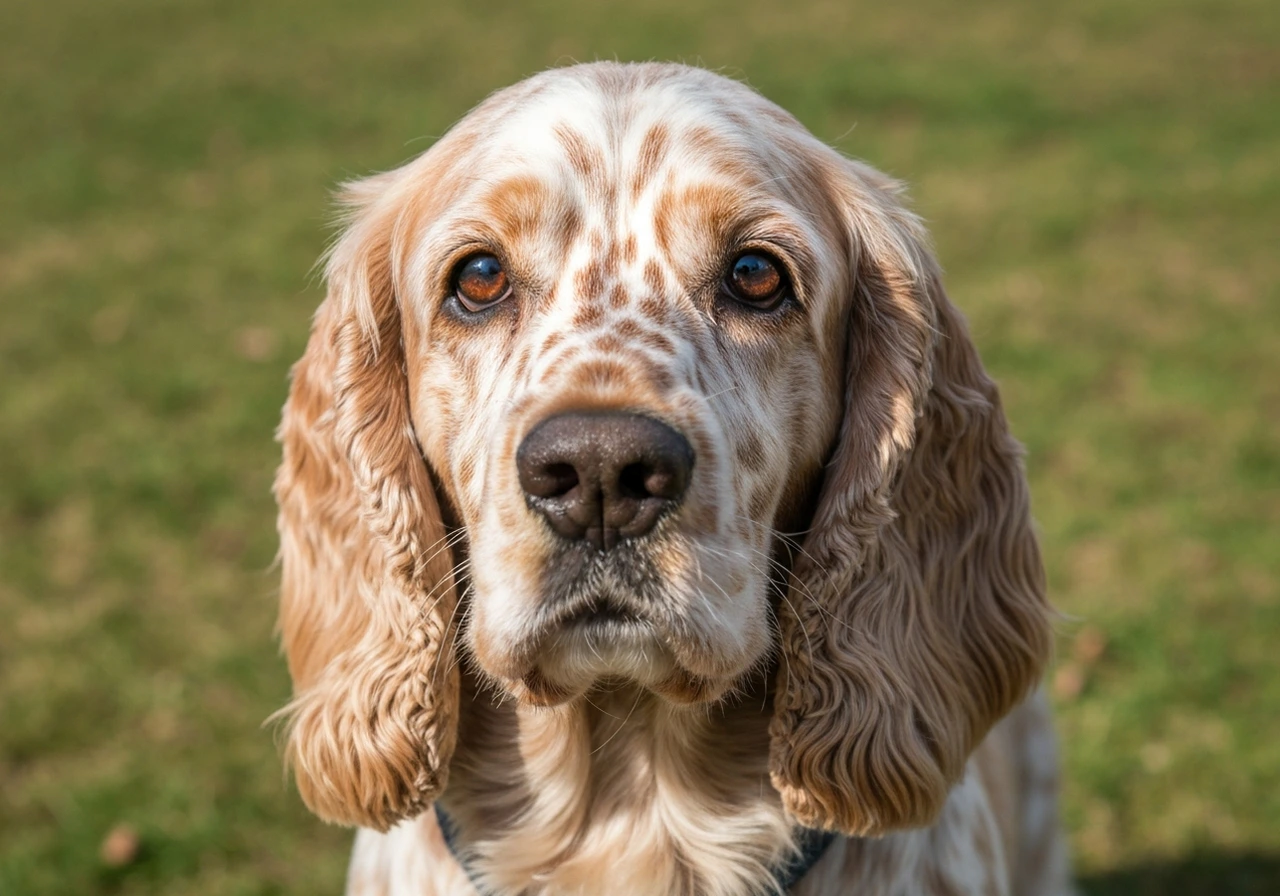
The owner of a nine-year-old English Cocker Spaniel came to my clinic with a straightforward question. Her veterinarian had noticed cloudiness in both of her dog's eyes during a routine checkup and diagnosed cataracts. The owner wanted to know if cataract surgery would restore her dog's declining vision. My examination revealed a far more complex picture. The cataracts were real, but they were not the primary problem. Behind those cloudy lenses lay retinas in advanced stages of degeneration. Her dog had Progressive Retinal Atrophy, and the cataracts had developed as a secondary consequence.
This scenario plays out in my practice with dispiriting regularity. The relationship between PRA and secondary cataracts is well documented in veterinary ophthalmology, yet it remains poorly understood among general practitioners and dog owners. Recognizing this connection matters enormously because it changes treatment decisions, prognosis, and the conversation we have with owners about their dog's visual future.
Why PRA Causes Cataracts
The lens and the retina exist in a delicate biochemical relationship. The retina is among the most metabolically active tissues in the body, consuming large quantities of oxygen and producing metabolic byproducts that circulate through the vitreous humor, the gel-like substance filling the eye. Under normal conditions, this biochemical environment remains balanced.
When PRA causes photoreceptor degeneration, this balance collapses. Dying photoreceptors release abnormal concentrations of reactive oxygen species, inflammatory mediators, and degradation products into the vitreous. These substances diffuse forward and contact the posterior lens capsule. Over time, this toxic biochemical exposure disrupts the lens epithelial cells responsible for maintaining lens transparency.
Retinal degeneration releases free radicals and inflammatory cytokines into the vitreous humor. These substances damage lens epithelial cells and disrupt the sodium-potassium pump that maintains lens dehydration and clarity. Water influx into the lens fiber cells causes swelling and protein aggregation, producing the characteristic opacification we recognize as cataract.
The cataract formation typically follows a predictable pattern. It begins posteriorly, at the back surface of the lens closest to the degenerating retina, and progresses anteriorly over months to years. In my experience, approximately 40-60% of dogs with advanced PRA develop clinically significant secondary cataracts. The timing varies with the rate of retinal degeneration, with rapidly progressive forms often producing cataracts sooner.
The Diagnostic Challenge
Secondary cataracts create a significant diagnostic challenge. When an owner or general practitioner notices lens opacification, the natural assumption is that cataracts are the primary disease. Standard cataract surgery is recommended, surgery is performed, and the owner discovers that their dog's vision has not improved. The retinal disease hiding behind the cloudy lens was never identified.
This sequence represents one of the most common diagnostic errors in veterinary ophthalmology. I have seen dozens of cases where cataract surgery was performed on PRA-affected eyes, producing technically perfect lens removal with no visual improvement because the retina could not process the light now reaching it.
The solution is straightforward but requires awareness: every dog presenting with cataracts should receive a complete retinal evaluation before any surgical decision. When cataracts are too dense for direct ophthalmoscopy, electroretinography (ERG) provides an objective measurement of retinal function. A flat or severely diminished ERG in a cataractous eye strongly suggests underlying retinal disease and contraindicates cataract surgery as a vision-restoring procedure.
Distinguishing Primary from Secondary Cataracts
Not all cataracts in PRA-predisposed breeds are secondary to retinal disease. Primary hereditary cataracts occur independently in many of the same breeds affected by PRA. Distinguishing the two has important implications for treatment and prognosis.
| Feature | Primary Cataract | PRA Secondary Cataract |
|---|---|---|
| Initial location | Variable (cortical, nuclear, or subcapsular) | Posterior subcapsular |
| Retinal function | Normal on ERG | Diminished or absent on ERG |
| Night vision history | Normal until cataract density impairs all vision | Night blindness precedes lens changes |
| Tapetal reflection | Normal when visible | Hyperreflective when visible |
| Surgical benefit | Excellent visual outcome expected | No visual improvement despite successful surgery |
The clinical history provides crucial clues. Owners of dogs with PRA secondary cataracts typically report that night vision problems preceded the visible lens changes, sometimes by months or years. This chronology reflects the underlying retinal disease that was already advancing before the cataracts became apparent. Understanding the early clinical signs of PRA helps owners and veterinarians piece together this timeline.
Breeds at Particular Risk
Breeds predisposed to both PRA and hereditary cataracts face the highest risk of diagnostic confusion. The overlap is substantial:
- English Cocker Spaniels: Affected by
PRCDand hereditary cataracts independently. Both conditions are common, and secondary cataracts from PRA add a third mechanism of lens opacification. - American Cocker Spaniels: Similar dual predisposition to
PRCDand primary cataracts. - Labrador Retrievers:
PRCDcarriers exist alongside independent cataract genes in this breed. - Golden Retrievers: With three distinct PRA variants and hereditary cataract predisposition, genetic screening must be comprehensive.
- Miniature and Toy Poodles:
PRCDis common, and primary cataracts are among the breed's most frequent inherited eye conditions.
The American College of Veterinary Ophthalmologists recommends electroretinography before all cataract surgeries. This simple, non-invasive test takes approximately 20 minutes and definitively identifies retinal dysfunction that would preclude visual benefit from surgery. Any ophthalmologist who recommends cataract surgery without ERG testing is omitting a critical step. Ensuring comprehensive eye examination protocols helps catch these dual diagnoses before irreversible decisions are made.
Treatment Considerations
When cataracts and PRA coexist, treatment decisions require honest conversations with owners. Cataract surgery will not restore vision when the retina cannot process light. Performing unnecessary surgery subjects the dog to anesthesia, post-operative discomfort, and a prolonged recovery period with no visual benefit.

However, dense cataracts in PRA-affected eyes are not entirely benign. Mature and hypermature cataracts can cause lens-induced uveitis, a painful inflammatory condition triggered by leaking lens proteins. In these cases, medical management with anti-inflammatory eye drops or even lens removal for comfort rather than vision restoration may be warranted.
I counsel my clients through a framework that separates comfort from vision. If the cataracts are causing inflammation or discomfort, we treat aggressively regardless of retinal status. If the cataracts are stable and non-inflammatory, we focus instead on managing the underlying PRA through nutritional support for retinal health and environmental adaptations that help the dog navigate as vision declines.
The Genetic Testing Imperative
The PRA-cataract connection underscores why comprehensive genetic testing matters before any breeding decision. A dog who develops cataracts may actually be expressing secondary consequences of undiagnosed PRA. Without DNA testing, the breeder might address cataracts in their breeding program while unknowingly propagating the PRA mutation responsible for the lens changes.
I have encountered breeding programs where a lineage was known for "cataract problems" that turned out, upon systematic genetic testing, to be secondary to undiagnosed PRA. Once the PRA mutation was identified and removed from matings through proper carrier management, the cataract incidence in the line dropped dramatically. The cataracts were a symptom, not the disease.
Monitoring PRA-Affected Dogs for Cataracts
Dogs diagnosed with PRA should receive regular slit-lamp examinations to monitor for secondary cataract development. I recommend examinations every six months for actively progressing cases. Early detection of cataract formation allows proactive management of potential complications before they cause discomfort.
Owners should be counseled that the development of cloudiness in their PRA-affected dog's eyes does not necessarily represent disease acceleration. The cataracts are a separate but related process, and their progression follows an independent timeline. Some PRA-affected dogs never develop significant cataracts, while others develop dense opacification relatively early in the retinal disease course.

A Word About Online Misinformation
The internet is replete with claims that cataract eye drops, supplements, or alternative therapies can dissolve cataracts and restore vision. For primary cataracts alone, these claims are unsupported by evidence. For secondary cataracts associated with PRA, they are doubly misleading because even if the lens could be cleared, the retinal disease would prevent visual improvement.
I urge owners to resist the appeal of miracle solutions and instead focus on the measures that genuinely help: regular ophthalmologic monitoring, appropriate medical management of complications, and the practical adaptations that help blind dogs thrive. The dogs I see who live happiest lives after PRA diagnosis are those whose owners invest energy in adaptation rather than searching for cures that do not exist.
Research Directions
Ongoing research examines whether neuroprotective agents that slow photoreceptor death might also reduce the secondary biochemical insult to the lens, potentially delaying cataract formation. If the oxidative and inflammatory cascade from dying photoreceptors can be modulated, the lens might be spared some of the toxic exposure. This remains an area of active investigation, building on the same antioxidant and anti-inflammatory approaches explored in broader PRA research programs.
For the English Cocker Spaniel owner who started this article's story, the conversation was difficult but important. I explained that cataract surgery would not help her dog see and that the underlying PRA was the primary condition. We developed a management plan focused on comfort, environmental support, and regular monitoring for cataract-related inflammation. Six months later, she told me that while the diagnosis was initially devastating, understanding the full picture allowed her to focus on what actually mattered: keeping her dog comfortable, confident, and happy. That clarity of understanding is what every owner deserves.
Dr. Amanda Foster, Veterinary Ophthalmologist