Russian Dog Breeds: History, Function, and Health
Russian dog breeds are not a single group but a set of lineages shaped by different climates and tasks, from reindeer herding in the Arctic to rodent control in city apartments. Most of them were standardised during the Soviet period, when breeding was tied to working roles rather than to show fashion. Understanding what each breed was selected to do explains much of its morphology, temperament, and the health problems that appear today.
What defines a Russian dog breed?
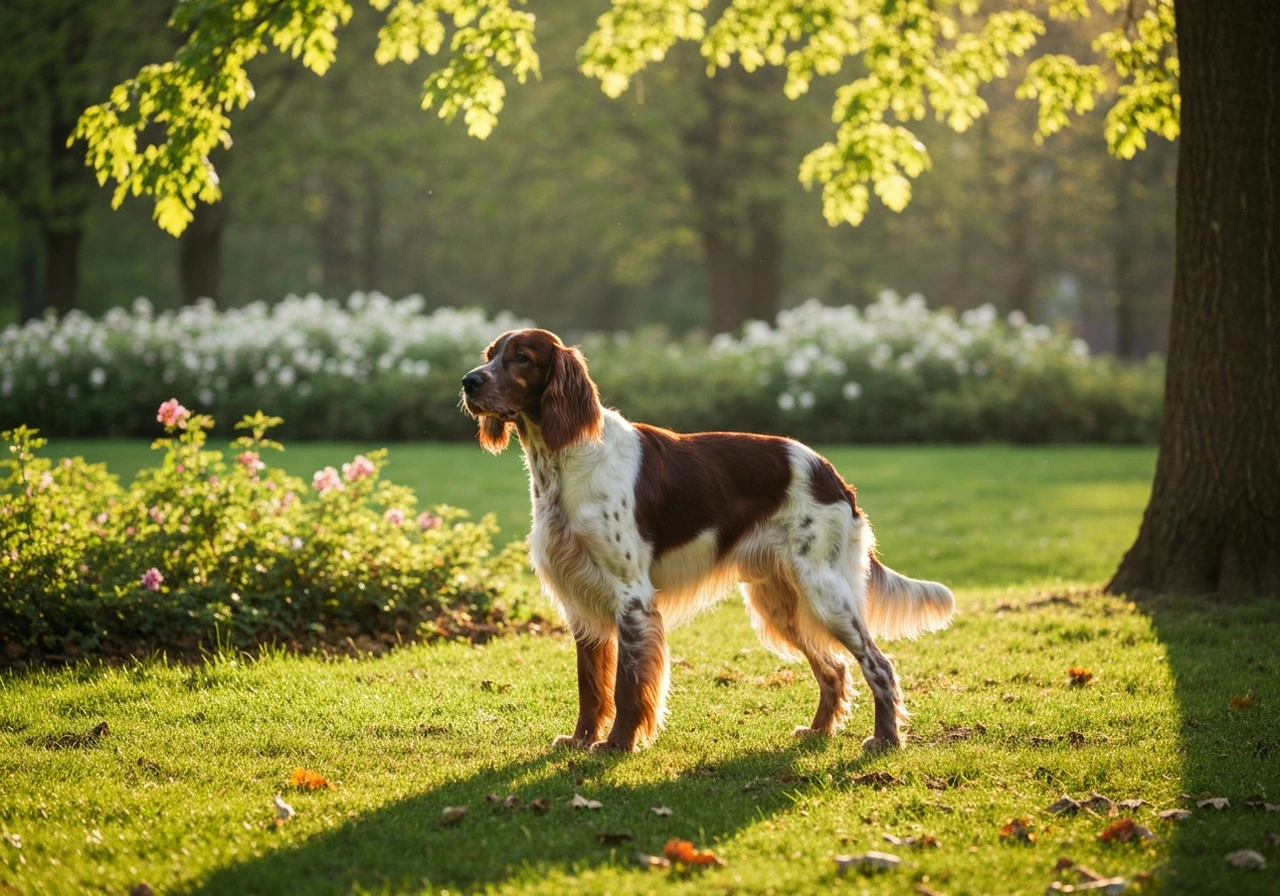
A breed is defined by a documented founder population, a written standard, and a breeding programme that keeps the type stable across generations. For Russian breeds, the Fédération Cynologique Internationale (FCI) holds the standards, and most of these dogs sit in FCI groups 1, 2, 5, or 9 depending on function. The Samoyed, for example, is a group 5 spitz selected for herding and pulling, while the Russkiy Toy is a group 9 companion breed with a much shorter working history. A breed's country of origin in the FCI sense reflects where the standard was written, not where every ancestor lived. Several Russian breeds descend from landraces that existed long before anyone wrote a stud book, and the Soviet state formalised them in the twentieth century. For readers who want the full editorial panorama of these breeds, from the Samoyed to the West Siberian Laika, the French-language review Russian dog breeds covers origins, function, and morphology in detail.
Which breeds originated in Russia?
The list is longer than most owners expect. The Samoyed, the Borzoi, the Caucasian Shepherd, the Black Russian Terrier, and the West Siberian Laika are the five most often cited, and each has a distinct history.
The Samoyed comes from the peoples of the northern tundra and was used for herding reindeer, guarding, and pulling sledges. Its dense double coat and curled tail are functional traits, not decorative ones. The Borzoi is a sighthound developed by the Russian aristocracy for coursing hare and wolf on open ground; its long, narrow skull and deep chest follow from that pursuit. The Caucasian Shepherd is a flock guardian from the Caucasus mountains, selected for size, bone, and the willingness to confront predators without human direction. The Black Russian Terrier was created in the Soviet Union after the Second World War, deliberately assembled from several breeds to produce a large, trainable working dog for military and guard duties. The West Siberian Laika is a hunting spitz used on fur and large game, and it works both by scent and by sight, often ranging far from the handler.
These five differ in size, coat, and drive, but they share a pattern: each was shaped by a specific working environment before it became a show or companion breed. That history still shows in their exercise needs and in how they respond to strangers.
What is the Russkiy Toy and where does it come from?
The Russkiy Toy is a small companion breed with a documented history reaching back to the Russian imperial period, and it is now recognised under FCI standard 352. The standard describes two coat varieties, smooth and long, and a small size range with a weight limit that keeps the breed clearly separate from larger toys. Colours vary, and the breed's temperament is typically lively, alert, and closely attached to its owner.
Its modern history is often mixed with legend. Some accounts trace the breed to dogs kept by the Russian nobility, while others emphasise later selection in the Soviet era. The reliable part of the record is the standard itself: size, weight, coat, and colour are written down, and breeders work to those figures. Health discussions around the Russkiy Toy usually focus on patellar luxation, dental crowding in very small mouths, and the general concerns of toy breeding such as fragile bones and difficult whelping. A comparison with the Chihuahua is common because the two breeds occupy a similar size niche, but they differ in head shape, coat options, and historical background.
For anyone considering this breed, the practical questions are about the individual dog rather than the breed label: the parents' health screening, the breeder's record keeping, and the temperament of the lines involved.
How do function and climate shape morphology?
Morphology follows function more closely in Russian breeds than in many Western show lines, because the working selection pressure lasted longer.
- The Samoyed's double coat, small ears, and thick tail are cold-weather adaptations. The coat sheds heavily once or twice a year, and the undercoat insulates against wind as well as low temperature.
- The Borzoi's long legs, flexible spine, and deep chest support a double-suspension gallop over short distances. Its thin skin and low body fat are part of that package and make it poorly suited to cold, wet exposure without protection.
- The Caucasian Shepherd's heavy bone, loose skin around the neck, and thick coat are guardian traits. The breed matures slowly and is often described as independent rather than obedient in the conventional sense.
- The Black Russian Terrier's size and coat were selected for outdoor work in a harsh climate, and the breed retains a strong territorial instinct.
- The West Siberian Laika's lighter build, pricked ears, and weather-resistant coat suit long days in forest and snow. It is a hunting dog first, and its recall training requires more effort than that of a typical companion breed.
In each case, the trait that makes the breed good at its original job is also the trait that creates a management problem in a modern home. A guardian breed that thinks independently is difficult to train with purely reward-based methods. A sighthound built for sprinting needs safe off-lead space. A spitz selected to range widely needs a secure fence.
What health issues appear in these breeds?
Health problems in Russian breeds fall into three broad categories: conditions linked to size, conditions linked to conformation, and conditions that appear across many breeds without a clear link to function.
Hip dysplasia is documented in the larger breeds, including the Samoyed, the Caucasian Shepherd, and the Black Russian Terrier. Screening schemes exist in several countries, and breeders use them to select breeding stock, though the trait is polygenic and no scheme eliminates it. Eye conditions, including progressive retinal atrophy, appear in several breeds and are relevant to anyone breeding or buying a dog from affected lines. The Samoyed has a recognised predisposition to hereditary nephritis, a kidney condition that can be managed but not cured, and to certain autoimmune and skin problems. The Borzoi is generally a healthy sighthound but is sensitive to anaesthesia and to some common drugs, a point worth raising with a veterinarian before surgery. The Russkiy Toy, as a toy breed, faces patellar luxation and dental issues, and small litters can make whelping complicated.
Across all of them, the useful rule is the same: ask for health testing results on the parents, ask what the breeder does with dogs that fail a screening, and treat any claim of a universally healthy breed with caution. Breed clubs and national kennel organisations publish the screening recommendations for each breed, and those documents are the best starting point.
How should a buyer approach a Russian breed?
A buyer should start with the function of the breed, not its appearance. A Samoyed is a working spitz that needs daily exercise and tolerates cold far better than heat. A Caucasian Shepherd is a guardian that will make its own decisions about strangers. A West Siberian Laika is a hunting dog that may never be fully reliable off-lead near wildlife. A Russkiy Toy is a companion breed that fits apartment life but still needs socialisation and dental care.
The second step is documentation. A pedigree from a recognised registry, health screening results for the parents, and a breeder willing to answer questions about the lines are more informative than any single certificate. The third step is a conversation about what happens if the dog develops a hereditary condition, because the answer reveals how the breeder views the animals in their care.
Russian breeds are not a monolith, and the differences between them matter more than the shared label. A reader who understands what each breed was built to do will choose better and will be less surprised by the dog that arrives.
Working roles shape a breed as much as conformation does, and the same is true outside dogs. Draft horses were selected for pulling power, steady temperament and sound feet, and their care follows the demands of harness and driving work. Breeders record pregnancies and foaling outcomes because dystocia and neonatal problems influence later soundness. Equipment such as collars, traces and harness leather needs routine inspection, since worn tack causes injuries that owners may attribute to the horse. This parallel is useful when reading Russian breed histories: function, breeding records and daily management interact, and no single trait explains a working animal.
A PRA diagnosis rarely arrives at a convenient moment, and the emotional weight it carries is often underestimated. Owners describe shock, guilt about delayed testing, and a period of adjustment before they can think clearly about management. Breeders face an additional layer, because the same result affects their breeding decisions and their conversations with puppy buyers. These reactions are normal and they do not resolve on their own. Recognizing the grief response as a distinct part of the diagnosis gives owners and breeders a clearer path from uncertainty toward confident, compassionate care, and practical support after a PRA diagnosis can shorten that distance.
Dr. Amanda Foster, Veterinary Ophthalmologist